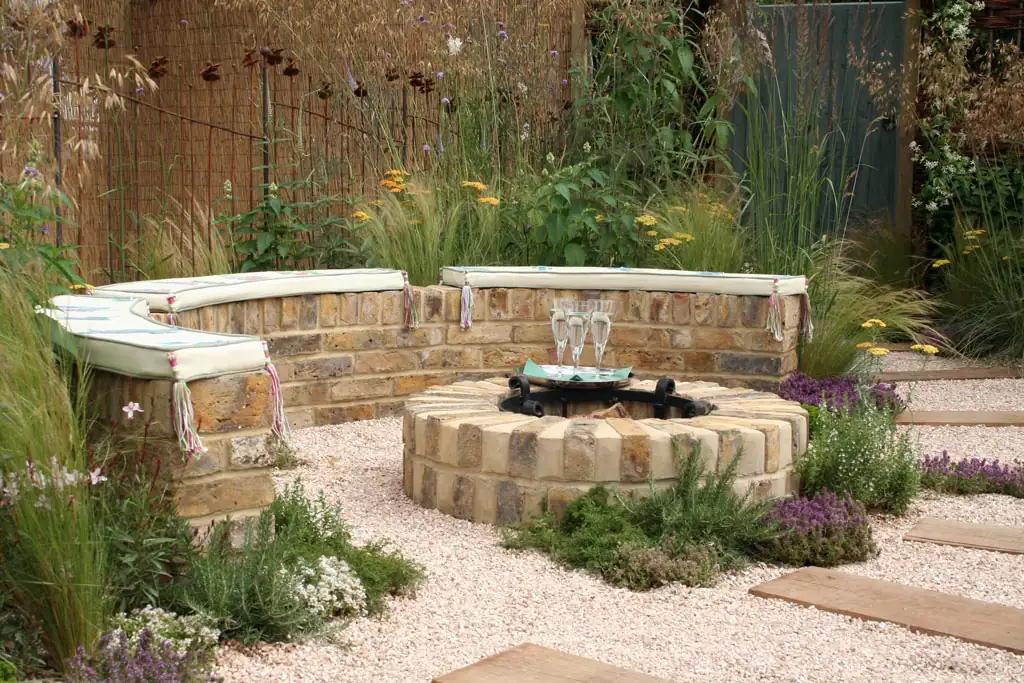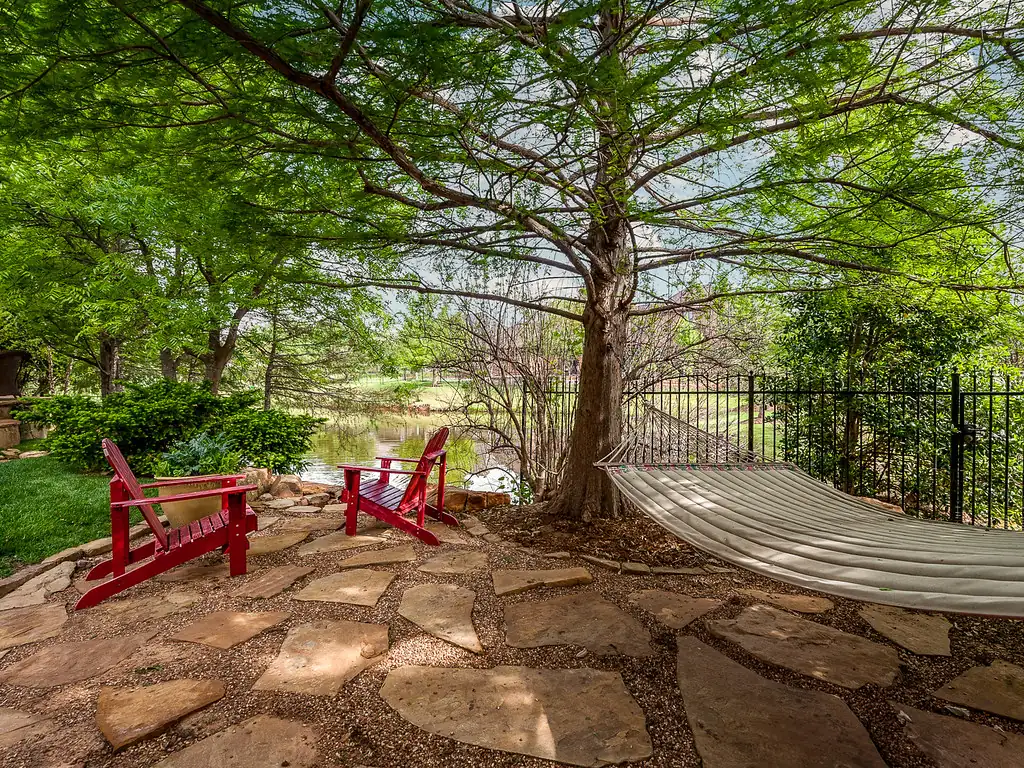
Plainfield's zoning ordinance treats a simple ground-level patio very differently from a raised or covered one. Here's how the Town's rules break down, what the soil is like, and what Hendricks County patios cost.
Grade-level vs. raised or covered patios in Plainfield
Plainfield's 2023 accessory-structure amendment (Ordinance 03-2023, Art. 4.1) allows grade-level patios and decks without a foundation in required side and rear yards.
Read moreShow less: Grade-level vs. raised or covered patios in Plainfield
Patios and decks that have foundations or sit above grade fall under a separate section on patios, patio covers and pergolas. The ordinance also says accessory uses can't encroach into platted easements without written consent2.
The Town's building FAQ adds the building-permit side. It lists decks and gazebos as needing a residential building permit, and it counts covered patios and screened porches as room additions, which also need one3. The FAQ also warns that drainage and utility easements, flood zones, septic and well issues and zoning restrictions can trigger other permits, and it tells homeowners to check with their HOA.
In practice: a plain paver patio at grade is the simplest case. Add a roof, raise it on a foundation, or include a pergola, and you're into permit territory. Either way, the Town also requires an Improvement Location Permit from Planning and Zoning for structures and uses of land, so confirm with the Town before work starts.
What the Town's submittal process looks like
Plainfield's residential deck requirements are a good preview of what a raised patio or pergola submission involves.
Read moreShow less: What the Town's submittal process looks like
Applications go through the Town's online iWorQ system, with a plot plan drawn at no less than 1" = 60' showing the structure, setbacks to property lines and any well or septic system. The Town says review typically takes 3–5 working days, and a permit placard must stay posted until the final inspection4.
The FAQ is also clear about who pulls the permit: whoever does the work. If you hire a contractor, the contractor should apply, and whoever holds the permit is responsible for compliance3.
Soil, frost and drainage in Plainfield
Hendricks County's USDA soil survey is dominated by Crosby (about 32% of mapped acreage), Treaty and Miami (about 14% each)5.
Read moreShow less: Soil, frost and drainage in Plainfield
What patios cost in Plainfield
A 2026 Hendricks County contractor guide puts local paver patios at $15–$35 per sq ft, with typical projects around $20–$22 per sq ft1.
Read moreShow less: What patios cost in Plainfield
For comparison, Angi's metro-Indianapolis average is $3,637, with most homeowners paying $2,297–$6,6998. See the Avon page for a material-by-material table.
Permits
Permit rules in Plainfield are set by the Town of Plainfield, not by Indianapolis, and they can change. The contractor you hire should confirm whether your specific project needs a permit and pull it if so. If you want to double-check, call the Town of Plainfield building or planning department before work starts.
Questions to ask Plainfield contractors before you sign
A short checklist for comparing contractors before you sign.
Read moreShow less: Questions to ask Plainfield contractors before you sign
- Is my patio at grade, or does the design need a foundation, cover or pergola permit?
- Will you pull the permit and handle the iWorQ plot plan?
- Does the layout stay out of platted drainage and utility easements?
- Who applies for any permit or zoning approval, and is that time in the schedule?
- Is the workmanship warranty in writing, and can you show proof of insurance?
Indiana requires a written contract for home improvement work over $1509. Make sure yours lists scope, materials, price and timeline.