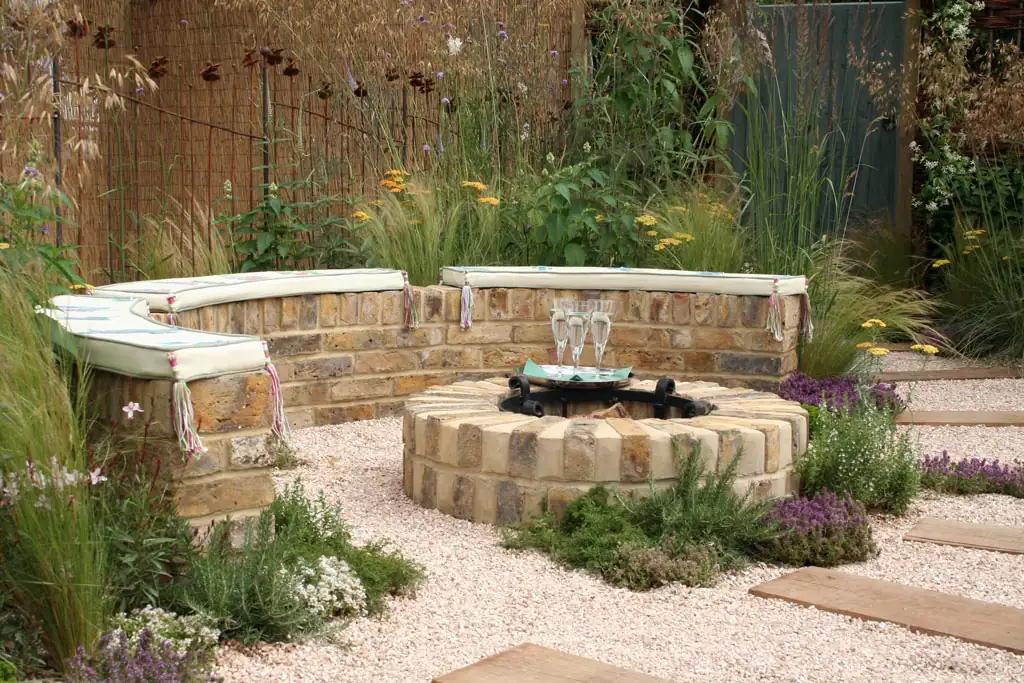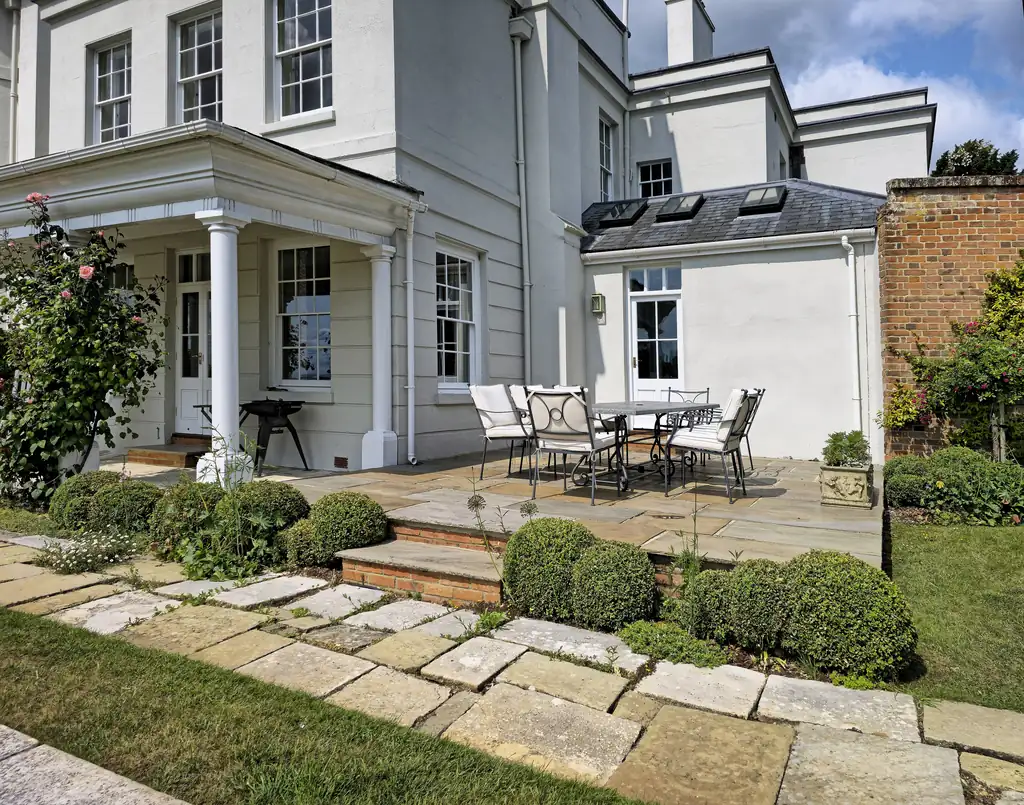
A practical guide for Carmel homeowners: what a paver patio involves, what people in the area typically pay, and how to get quotes from independent local contractors without calling around all week.
What a paver patio project involves
A paver patio is a flexible pavement: individual concrete, clay or stone units laid over a compacted gravel base, locked together with joint sand and held in place by an edge restraint.
Read moreShow less: What a paver patio project involves
Because it isn't one rigid slab, a well-built paver patio can move slightly with the ground and be lifted and reset if a section ever settles.
A typical installation sequence looks like this:
- Layout and design – size, shape, pattern, steps, and how the patio meets the house and lawn.
- Excavation – digging out soil to make room for the base, bedding layer and pavers. One Carmel-area contractor's guide puts typical excavation at 10–12 inches in Indiana1.
- Base installation – crushed stone placed and compacted in layers, sloped so water runs away from the house.
- Bedding sand and pavers – a screeded sand layer, then the pavers in your chosen pattern, with edge cuts.
- Edge restraint, joint sand and compaction – polymeric joint sand is commonly recommended in freeze-thaw climates to resist washout and weeds.
For a typical 200–400 sq ft residential patio, the same guide estimates 2–5 days of installation under normal conditions1.
What Carmel homeowners typically pay
Published 2026 figures for the Carmel area are in the same ballpark, but they come from different methods, so treat them as a range rather than a quote.
Read moreShow less: What Carmel homeowners typically pay
| Patio size | Concrete pavers | Natural stone |
|---|---|---|
| 200 sq ft | $2,400–$4,400 | $5,000–$8,000 |
| 300 sq ft | $3,600–$6,600 | $7,500–$12,000 |
| 400 sq ft | $4,800–$8,800 | $10,000–$16,000 |
Source: Sam's Outdoor Solutions, Avon & Carmel cost guide (2026)1. Estimates only; your quote will depend on site conditions and design.
Two other reference points: Hometriva's model puts a typical Carmel paver patio around $6,900, at roughly $11–$28 per sq ft3, and Angi reports a metro-Indianapolis average of $3,637, with most homeowners paying $2,297–$6,6994. The same Carmel contractor guide notes that Carmel labor tends to run about 8–12% higher than in Avon1. See our full Indianapolis paver patio cost guide for more tables.
Local considerations in Carmel
Covers clay soil and freeze-thaw; HOA architectural review; frost depth for anything with footings; and permits.
Read moreShow less: Local considerations in Carmel
Clay soil and freeze-thaw
Hamilton County sits largely on clay-heavy subgrade that drains slowly. Clay holds water, and water that freezes under a patio pushes it up. That's why local installers talk so much about base depth. The Carmel-area guide cited above recommends a 6–8 inch compacted crushed-stone base for Indiana clay, more than the 4 inches common in warmer, sandier markets1. When you compare quotes, ask each contractor what base depth they're specifying. It's one of the easiest places for a low bid to cut corners.
HOA architectural review
Many Carmel neighborhoods have an HOA with an architectural review step for exterior changes. Local contractors report that HOA review can add 2–6 weeks before work starts and may limit colors or dimensions2,1. If you have an HOA, request their submission requirements early. Winter is a good time to get approval in hand for a spring build.
Frost depth for anything with footings
The patio surface itself floats on its base, but add-ons like pergola posts, seat walls or a masonry fireplace may need footings. Indiana's residential code lists a 30-inch foundation depth for Hamilton County5. Your contractor will design around that if your project includes a structure.
Permits
Permit rules in Carmel are set by the City of Carmel, not by Indianapolis, and they can change. The contractor you hire should confirm whether your specific project needs a permit and pull it if so. If you want to double-check, call the City of Carmel building or planning department before work starts.
One local contractor's guide reports that Carmel requires a building permit for impervious-surface additions, with typical residential hardscape permit fees of about $75–$2001. Treat that as a reason to ask, not as a final answer.
Choosing materials for Carmel projects
Concrete pavers are the most common choice in central Indiana because they cost less and handle freeze-thaw well when properly installed.
Read moreShow less: Choosing materials for Carmel projects
Clay brick pavers are durable too, but the Carmel guide stresses using brick rated for severe weathering (ASTM C216 SW grade). Natural stone such as flagstone or travertine looks premium but costs more, and porous stone needs sealing1. Angi's Indianapolis data puts concrete pavers at $8–$14/sq ft, brick at $10–$19, and natural stone at $14–$484.
Questions to ask before you sign
A short checklist for comparing contractors before you sign.
Read moreShow less: Questions to ask before you sign
- What base depth and compaction method are you using on my soil?
- Is polymeric joint sand and an edge restraint included?
- Who handles the HOA submission and any city permit?
- What workmanship warranty do you offer, and is it in writing?
- Can you show proof of insurance?
Indiana law requires a detailed written contract for home improvement work over $1506. Get one, and make sure it lists scope, materials, price and timeline.